Custom Aluminum CNC Machining: Choosing the Alloy and the Finish
Aluminum is the most machined metal on earth — it cuts fast, weighs little, resists corrosion and takes a beautiful finish. It is also the metal where alloy choice is most often copy-pasted from the last project. This guide walks through the alloys we machine every day, the finish options that actually matter, and the design details that decide whether your aluminum part is cheap or expensive.
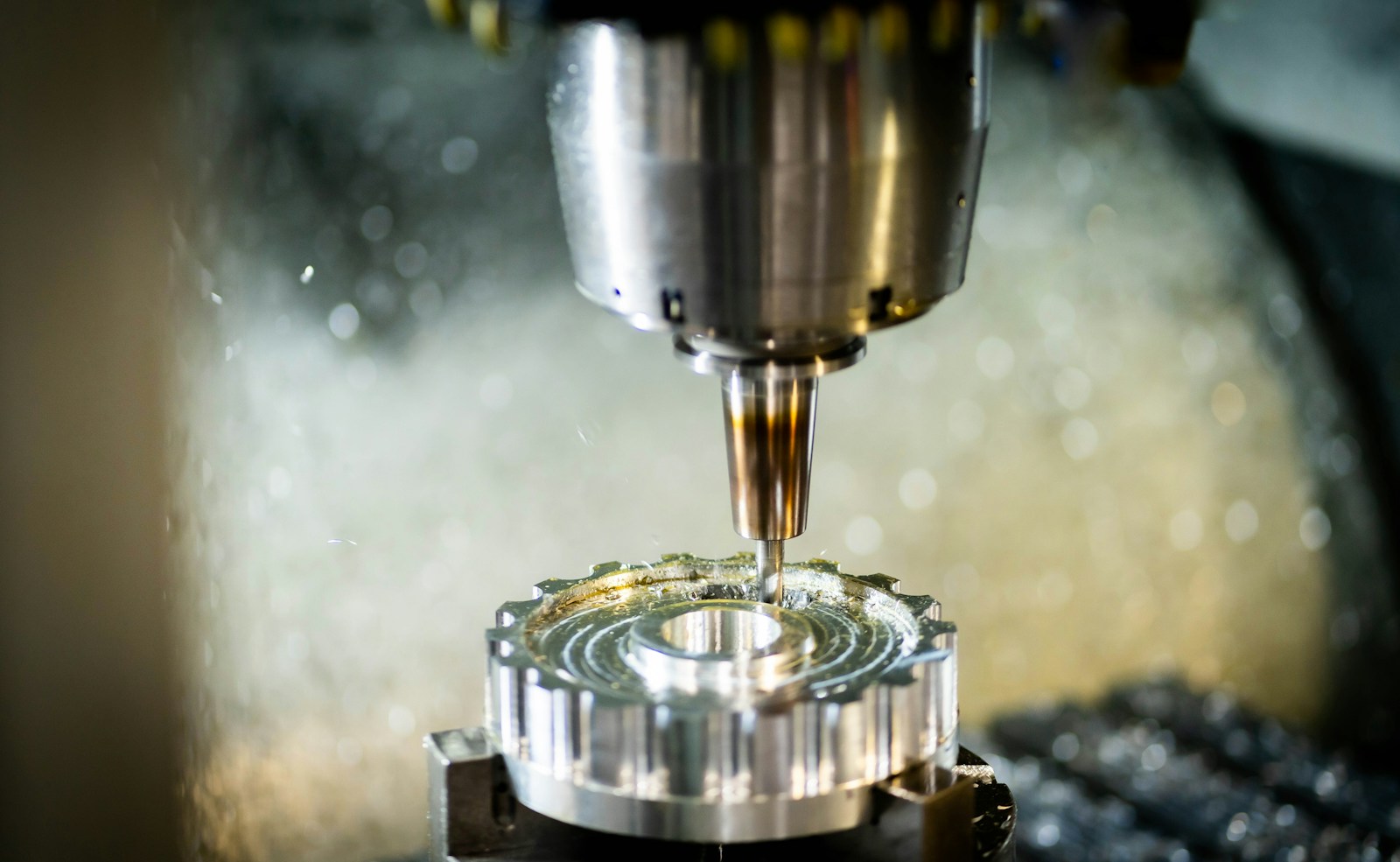
Which aluminum alloy should you choose?
Ninety percent of the aluminum RFQs we machine settle on one of five alloys. Here is the honest comparison:
| Alloy | Strength | Corrosion resistance | Machinability | Typical use |
|---|---|---|---|---|
| 6061-T6 | Good | Very good | Excellent | The default. Brackets, housings, fixtures, enclosures, anything general-purpose |
| 7075-T6 | Excellent (near steel) | Fair — avoid salt water | Good | Aerospace structures, high-load tooling, jigs, performance parts |
| 2024-T3 | Very good | Poor — needs coating | Good | Aircraft fittings, structures where fatigue strength rules |
| 5052 | Moderate | Excellent, marine-grade | Better formed than machined | Sheet metal enclosures, panels, welded assemblies |
| MIC-6 / cast plate | Moderate | Good | Excellent, stress-free | Fixture plates, tooling bases — flatness without machining |
Two 7075 traps worth knowing
- 7075 welds badly and corrodes in salt. If your part lives outdoors near the ocean or gets welded afterward, 6061 is the better answer even at lower strength.
- 7075-T6 loses strength when re-heat-treated. Stress-relieved tempers (T7351) exist for good reason — if your part gets machined deep after heat treatment, say so on the drawing.
Surface finishes for aluminum parts
Aluminum accepts more finishes than any other metal we machine. The common options, and what each actually buys you:
| Finish | What it does | Typical spec |
|---|---|---|
| Type II anodize | Corrosion protection, colors, moderate wear resistance | ~8–12 µm, clear / black / colors |
| Type III hard anodize | Thick, hard, wear-resistant surface | ~25–50 µm, natural dark grey |
| Chromate conversion (Alodine/chem film) | Corrosion protection with conductive surface | Clear or gold, MIL-DTL-5541 |
| Bead blasting + anodize | Uniform matte texture, hides tool marks | Glass bead, then Type II |
| Painting / powder coat | Color and outdoor durability | Any RAL |
| As-machined | Nothing — but free, and often fine inside an assembly | Ra 1.6–3.2 typical |
The classic mix-up we flag on first RFQs: anodize is an insulator. If your aluminum part needs to conduct — EMI shielding, ground contact, electrical bonding — specify chromate conversion, or mask the contact points before anodizing. Catching this before finishing saves the entire part.
Design details that decide your aluminum machining cost
Aluminum cuts five to ten times faster than steel, which is why material choice alone rarely swings the price. Geometry does:
- Inside corner radii. End mills are round; sharp internal corners need EDM or hand work. A corner radius of 1–2 mm instead of 0 keeps the part on the mill.
- Deep, thin pockets. Thin walls chatter and deflect. Walls under 1 mm and depth-to-diameter over 4:1 are where aluminum stops being "easy".
- Thread depth. Aluminum strips easily. Threads deeper than 1.5× diameter add tapping time for no strength — the fastener fails first.
- Tolerance discipline. Aluminum moves with temperature more than steel. Holding ±0.005 mm across a large plate means machining it in a controlled state — do it only on mating features. (See our guide on CNC machining tolerances.)
From prototype to production in the same alloy
A quiet advantage of aluminum: the alloy you prototype in is the alloy you production-run in. There is no mold to cut and no material substitution at scale. Our standard flow is 6061-T6 plate or extrusion from certified mills — material certificates available with every order — machined on the same 3/4/5-axis cells whether the batch is 1 piece or 10,000. That means the prototype you approve is, dimensionally and materially, the production part.
What we need to quote your aluminum part
- Geometry: STEP or IGES file is best. DWG and PDF drawings work too — send what you have.
- Alloy and temper: "Aluminum" alone generates a clarification email; "6061-T6" generates a quote.
- Finish: anodize type and color, chromate, or as-machined.
- Quantity: a prototype quantity and a target production quantity — pricing differs, and knowing both gets you better unit prices.
You can send all of it through our RFQ form with drawing upload — quotes come back within 6 working hours, reviewed by an engineer, not a calculator.
Next in this series: CNC Machining Tolerances Explained · Rapid Prototyping & Low-Volume Production